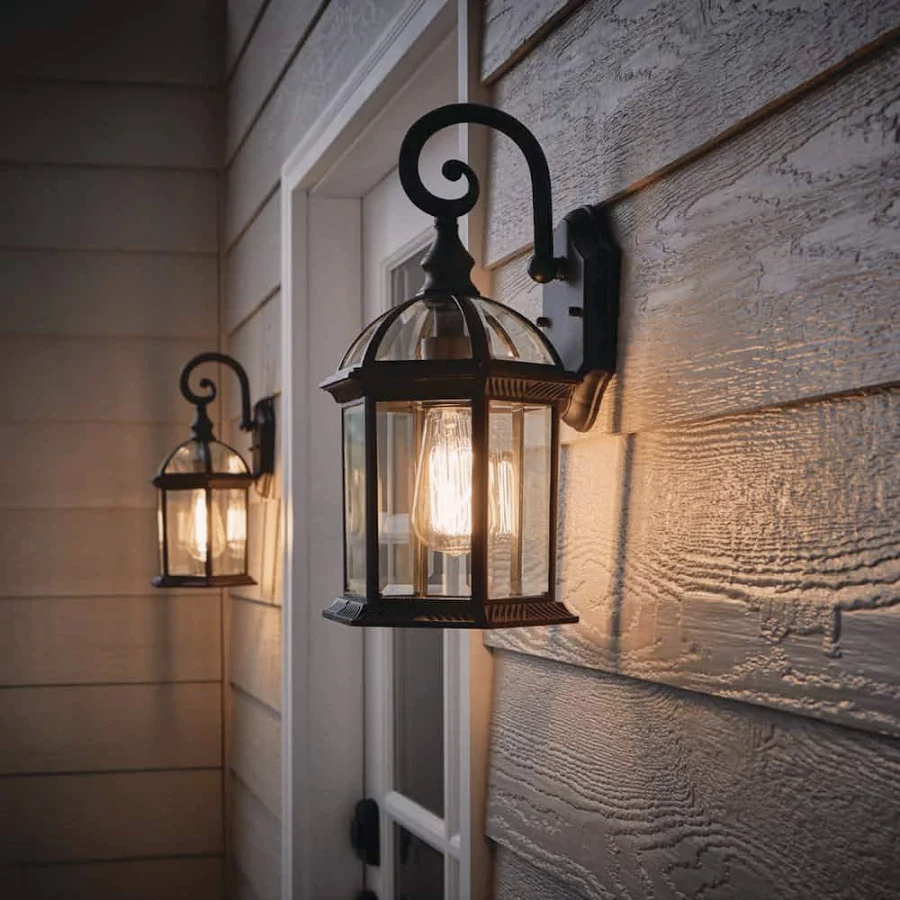
 After much debate about whether a zoning bylaw can mandate behavior (specifically, requiring people to turn off outdoor lights after 10:00pm), the Dark Skies Subcommittee of the Planning Board finalized a draft of a bylaw amendment that would put more controls on outdoor lighting for new and substantially renovated buildings.
The board debated the matter at its March 10 meeting but postponed a vote on whether to endorse the measure until its next meeting on March 24. Residents will vote on the issue at Town Meeting on March 29.
The proposal is essentially identical to the March 4 version outlined in a March 8 Lincoln Squirrel article (“Dark Skies group tries again for limits on new outdoor lighting”) except for two added definitions and a wording change to make it clear that the requirement to turn off outside lights after 10:00pm applies only to lights at new or substantially renovated homes and not to new or replacement fixtures on existing homes.
The former condition would apply when exterior lighting after 10:00pm is not associated with an “active use,” meaning when lighting is required for ongoing or expected activity such as a planned arrival to a residence, unless otherwise approved by the Planning Board through site plan review or special permit.
The earlier time restriction would have applied to existing homes as well — something that Planning Board Co-chair Lynn DeLisi said she had a “philosophical objection” to. “I just don’t think this belongs in a zoning bylaw,” she said. However, the issue may come up again if the subcommittee proposes a future amendment to the town’s general bylaw, which does include behavior-based restrictions on things like use of gas-powered leaf blowers and noise in general.
Sherry Haydock, co-chair of the Dark Skies Subcommittee, said that the complaint they heard most often was “light trespass,” or bright lights shining onto someone’s property from a neighbor’s house.
“All these complaints are not going to be solved by this bylaw,” since the new rules would not apply to existing lighting, DeLisi remarked.
“That is true,” responded Haydock, acknowledging that “we can’t change those lights but we hope to change behavior through educational materials, public forums, mailings, and friendly letters” to owners of homes who are the subject of neighbor complaints. The caller from the subcommittee would explain the environmental harm done by excessively bright, misdirected, or all-night lighting. The hope is that those residents will voluntarily change to Dark Skies-compliant fixtures or at least install motion detectors or timers.
Some of that educational material is now available via the Dark Skies survey, which includes illustrations of bad lighting practices, lightbulb color temperatures, etc., and the group’s Jan. 12 Select Board presentation.
Leave a Reply